We are a team of passionate people who love what we do and care about hearing health. Our vision is to ensure children and adults have access to good hearing services to achieve their full potential in life. We are experienced audiologists who are registered full members of the New Zealand Audiological Society (MNZAS). Since graduating from the University of Auckland, we have both worked in a large audiology company in several clinics around Auckland. We have worked extensively with adults, children, and in specialised areas of audiological testing. We both have experience as clinic managers and supervisors. As independent audiologists, we aim to provide the best quality of care for every person and every family, ensuring that our clinical decisions and recommendations are best for you.
Understanding ear wax: what it is, why it matters, and safe removal methods
Ear wax (cerumen) is a natural, protective substance produced by glands in the ear canal. It traps dust, repels water, and contains antimicrobial properties that help guard the delicate structures of the middle and inner ear. While ear wax is normal and beneficial in small amounts, excessive buildup can lead to discomfort, hearing loss, tinnitus, ear fullness, and even dizziness. Knowing when wax is problematic and how to manage it safely is essential for preserving hearing health.
Many people attempt home remedies like cotton buds, hairpins, or ear candles, but these methods can push wax deeper into the canal, cause abrasions, or lead to perforation of the eardrum. Safer home approaches include the use of over-the-counter cerumenolytics such as mineral oil, olive oil, or commercially formulated drops designed to soften wax. These products can be effective when used correctly over a few days, but they do not physically remove impacted wax.
Professional removal methods used by audiologists and ear care specialists include microsuction, irrigation, and manual removal with specialized instruments. Microsuction is widely regarded as the safest and most controlled method: a clinician uses a microscope for visualization and a gentle suction probe to remove softened or impacted wax without introducing water. Irrigation (gentle flushing with warm water) can be effective but is not suitable for everyone, particularly those with previous ear surgery, perforated eardrums, or recurrent ear infections. Manual removal using curettes or hooks requires skill and direct visualization to avoid injury.
Early recognition of symptoms—such as sudden hearing reduction, persistent ear pain, or recurrent infections—and consultation with a qualified clinician ensures appropriate method selection. Prioritising safe, evidence-based removal techniques reduces complication risk and restores hearing with minimal discomfort.
Professional ear wax removal in Auckland: services, standards, and what patients can expect
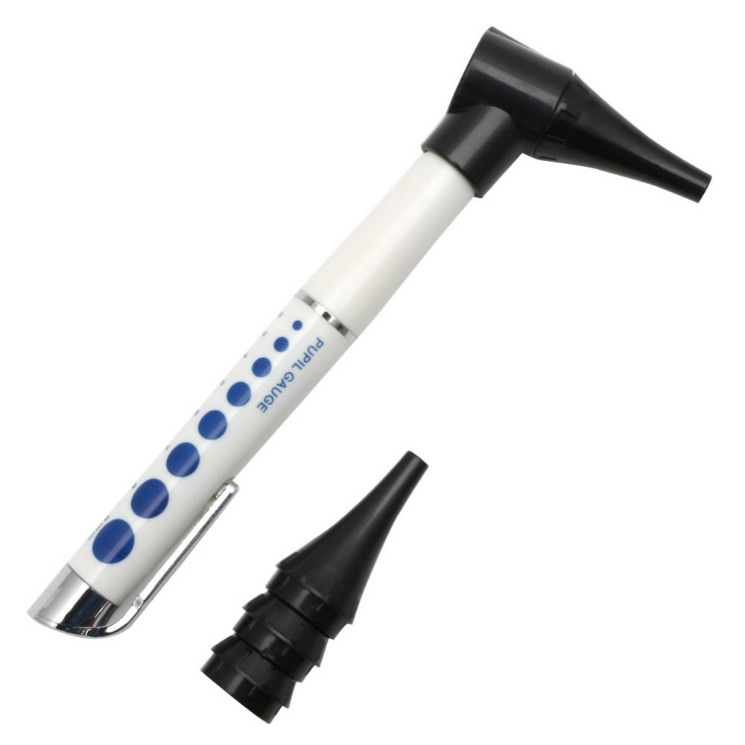
When seeking ear wax removal in Auckland, patients should look for registered practitioners who adhere to recognised clinical standards and who can provide personalised care. Audiologists who are full members of the New Zealand Audiological Society (MNZAS) follow protocols for assessment, infection control, and documentation. A typical clinic visit begins with a thorough case history to identify symptoms, risk factors, and any contraindications to certain removal methods. The clinician will then use an otoscope or video-otoscope to inspect the ear canal and eardrum and determine the extent and type of wax buildup.
Based on assessment, the clinician will recommend an appropriate approach—microsuction, irrigation, or manual removal—explaining benefits, risks, and aftercare. Many clinics offer patient education about preventing future impaction, such as avoiding cotton buds and using periodic cerumenolytics when indicated. For children, a careful, calm approach and age-appropriate explanation helps reduce anxiety and improve compliance; effective management often involves shorter sessions and clear communication with caregivers.
Accessibility and convenience are also important. Clinics across Auckland may provide walk-in or appointment-based services, and some practitioners offer home visits for people with mobility issues. Equipment standards, infection control procedures, and clinician credentials are key differentiators; clinics that publish clinician qualifications and membership of professional bodies provide greater reassurance. For those seeking reputable services online, a clearly described process, transparent pricing, and patient testimonials can aid in decision-making. For example, many Auckland families and individuals find reliable care through established clinics that highlight both clinical expertise and a patient-centred approach, such as Ear Wax Removal Auckland, where services are performed by experienced, registered audiologists using safe, modern techniques.
Real-world examples, risks, and practical aftercare to keep ears healthy
Real-world cases illustrate why professional care matters. One common scenario involves an elderly patient experiencing gradual hearing loss and tinnitus who had been using cotton buds for years. Examination revealed compacted cerumen completely occluding the canal. Microsuction performed by an experienced audiologist restored hearing and relieved tinnitus, while education on safe ear care prevented recurrence. In a paediatric example, a child with behavioural sensitivity presented with recurrent ear pain and earwax impaction. A tailored approach with desensitisation techniques and gentle manual removal allowed safe resolution without trauma, and the family received a simple prevention plan.
Risks associated with improper ear wax removal include canal abrasions, otitis externa (swimmer’s ear), exacerbation of impaction, and tympanic membrane perforation. These complications are rare when removal is performed by trained professionals using appropriate visualization and equipment. People with diabetes, eczema, or immune suppression should seek professional assessment earlier, as they have a higher risk of complications from both impaction and intervention.
Aftercare recommendations commonly include keeping the ear dry for a short period if irrigation was used, avoiding insertion of objects into the ear, and using softening drops intermittently for those prone to recurrent buildup. Regular check-ups or scheduled cleans every 6–12 months may be advised for some individuals, while others may only require treatment on an as-needed basis. Practical prevention tips include avoiding cotton buds, protecting ears during water exposure, and monitoring hearing or balance changes. Documented clinic outcomes show high patient satisfaction when care is personalised, complications are minimised, and clear aftercare guidance is provided, reinforcing the value of professional ear care in maintaining long-term hearing health.