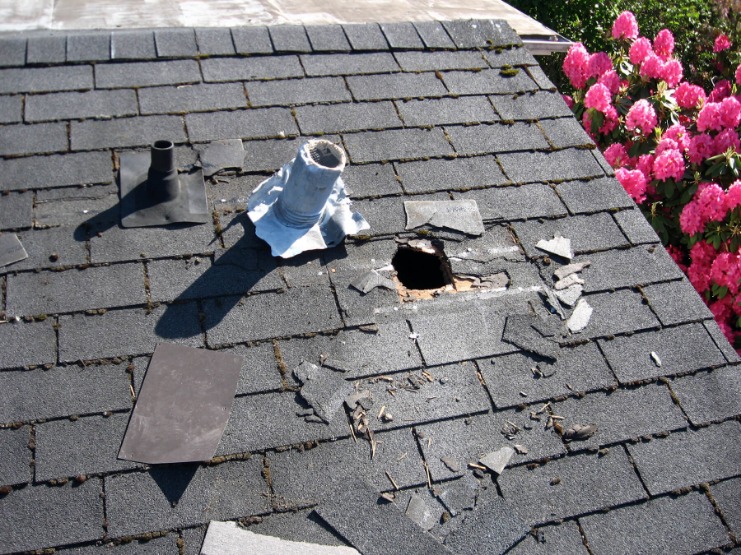
Recognizing Damage Early: Signs, Immediate Fixes, and Emergency Response
A well-maintained roof is the first line of defense against weather, pests, and water intrusion. Homeowners should watch for clear indicators that professional attention is needed: missing or curling shingles, granular loss in gutters, dark streaks or stains on ceilings, and visible sagging. Even small issues like cracked flashing or deteriorated sealant around vents can lead to larger problems if left unchecked. Routine inspections after storms or seasonally can catch these warning signs early, reducing the need for extensive repairs.
When a leak occurs, timing is critical. Immediate steps such as placing buckets to collect water, protecting possessions with tarps, and temporarily sealing small leaks with roofing tape can mitigate interior damage until a professional arrives. For serious situations—large interior leaks, structural compromise, or heavy storm damage—prioritize an Emergency Roof Repair response to prevent accelerated deterioration and mold growth. Emergency services often include temporary tarping, water extraction coordination, and fast-tracked assessments to stabilize the structure.
Understanding the cost-to-risk tradeoff helps homeowners decide between patching and replacing. Spot repairs are ideal for localized damage but repeated fixes on aging roofing materials are a sign that a full replacement may be more economical long-term. Insurance claims for storm or hail damage require documentation: take high-resolution photos, note dates and conditions, and request a professional inspection report. Local specialists who provide rapid assessments and transparent estimates will help you navigate claim processes and determine whether immediate repairs or a planned roof replacement is the right path.
For those seeking trusted local help, resources such as Roof Repair North Jersey connect homeowners to experienced teams that offer fast, reliable evaluations and emergency support tailored to regional weather patterns and building codes.
Planned Roof Replacement and New Roof Installation: Materials, Process, and Long-Term Value
Deciding on a Roof Replacement or a New Roof Installation involves assessing material choices, labor quality, warranty options, and lifecycle costs. Common materials include asphalt shingles (cost-effective and versatile), metal roofing (durable and energy-efficient), slate and tile (long-lived but heavy and costly), and modern synthetic composites (lightweight with improved durability). Each option has trade-offs in upfront cost, expected lifespan, fire rating, and maintenance needs. Selecting the right material depends on climate, aesthetic preferences, and budget constraints.
The installation process begins with a thorough teardown and inspection of the deck, underlayment, and flashing. High-quality installations prioritize proper ventilation, correct underlayment application, and secure flashing around chimneys, valleys, and roof penetrations. Poor ventilation traps heat and moisture, accelerating material failure. Certified contractors follow manufacturer specifications and local building codes, which impacts warranty validity and long-term performance. Labor warranties and manufacturer guarantees are both crucial; ensure you receive written documentation detailing what each warranty covers and for how long.
Cost considerations should include not only materials and labor but also ancillary expenses like disposal of old roofing, permit fees, and any required structural repairs uncovered during the tear-off. Energy-efficient roofing and reflective coatings can reduce heating and cooling costs over time, offering measurable return on investment. Financing options and phased replacement strategies may help homeowners tackle larger projects. Prioritize contractors who provide itemized estimates, clear timelines, and a project manager to coordinate inspections and final walkthroughs, ensuring your new roof delivers durability, curb appeal, and long-term value.
Case Studies and Choosing a Reliable Roofing Company: Local Examples and Best Practices
Real-world examples illustrate how the right Roofing Company and skilled crews influence outcomes. Consider a suburban home that experienced chronic leaks after winter storms. An initial patch-only approach left the owners repeatedly calling for repairs. A comprehensive assessment revealed widespread underlayment failure and rot. After a full roof replacement with upgraded underlayment and improved ventilation, the homeowners saw an immediate end to leaks and a noticeable decrease in attic temperatures. This case highlights the importance of diagnosing root causes rather than treating symptoms.
Another local example involved a commercial property with torn shingles after a wind event. The chosen contractor performed emergency tarping, worked directly with the insurer, and scheduled a mid-week replacement to minimize business disruption. Faster restoration and a documented repair history simplified future maintenance planning and extended the roof’s service life. Such cases underscore the value of working with teams that offer emergency readiness, insurance liaison services, and flexible scheduling.
When searching for a dependable Roofer near me, prioritize licensed, insured contractors with verifiable references, detailed written estimates, and clear communication practices. Ask for recent project photos, confirm compliance with local codes, and verify that crews use industry-standard fasteners and flashing techniques. Maintenance plans that include seasonal inspections and gutter cleaning can prevent minor issues from escalating. For neighborhoods prone to heavy snow, wind, or hail, select contractors familiar with regional challenges and who provide storm-resistant installation options.
Transparent pricing, local reputation, and post-installation support are key differentiators. Look for providers that document work with before-and-after photos, provide clean-up guarantees, and offer accessible contact points for follow-up—this combination ensures your investment is protected and that roof performance meets expectations over time.